
The technology can transform the process of any company’s development, and virtual reality applications for business can be considered one of the most powerful examples. Having been associated mainly with gaming, VR is now regarded as a potent training, product development, remote work, and customer experience tool.
According to recent research by Statista, the worldwide market of VR in business will reach over 30 billion dollars by 2025, and its application is increasing in industries such as healthcare, education, retail, and real estate. The opportunity is evident to the business owners; the right VR tools can save them money, enhance interaction, and create new avenues to reach customers. Whether VR will have an effect on business is not the question; but what applications will add the most value in 2025?
What Is Virtual Reality in Business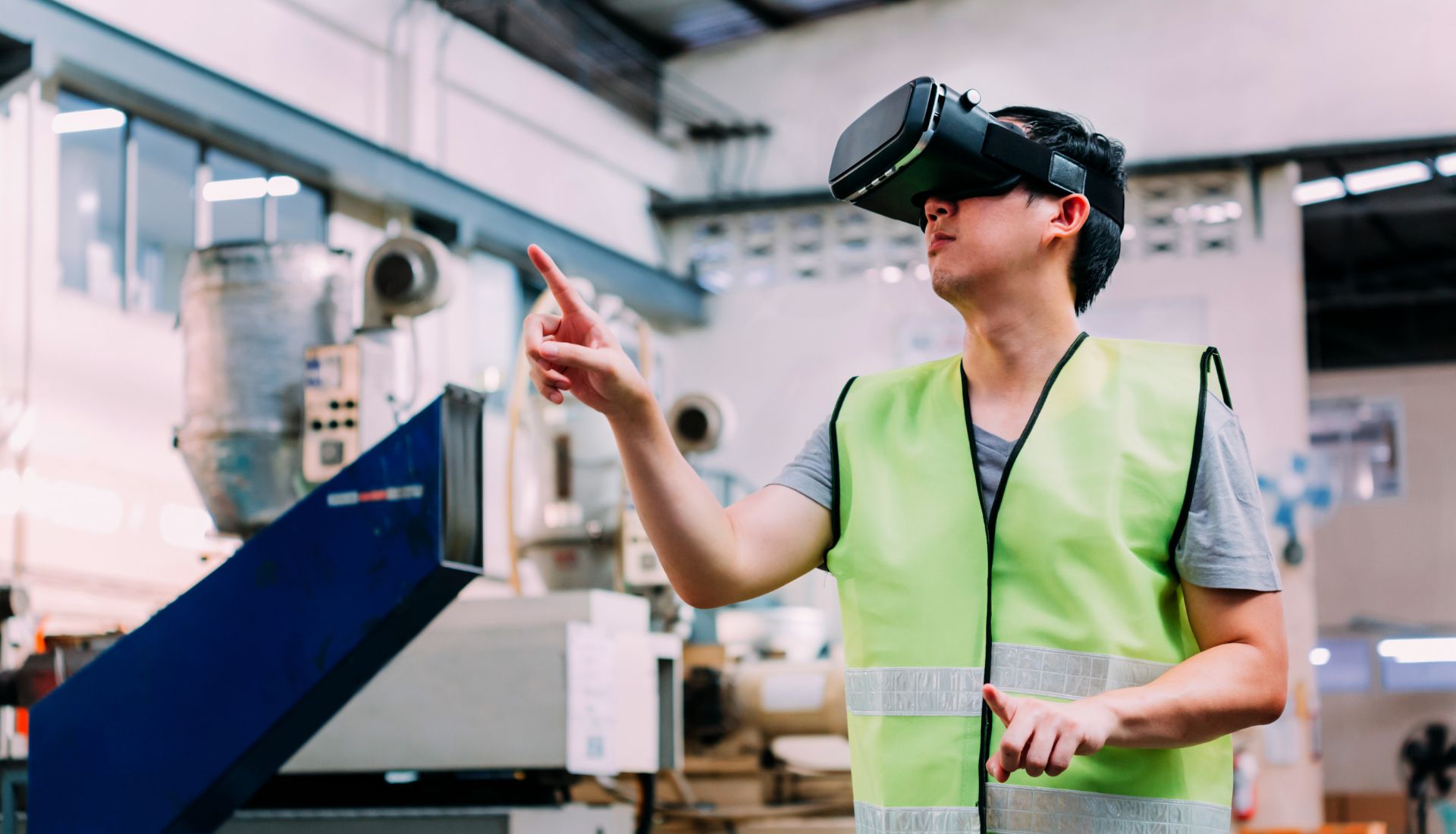
Virtual reality applications for business are immersive applications that enable businesses to design online spaces that can be used to train, design, and interact with customers. Compared to gaming VR, which is produced solely to entertain, businesses can use VR to address real-life issues, including training employees, boosting customer interactions, and experimenting with the safety of a new idea.
Practical Use in Different Companies
Today, the best VR applications for companies are applied in industries such as healthcare, retail, real estate, and education. Physicians are able to conduct medical processes virtually, architects are able to develop and model buildings in 3D, and retailers are able to establish online shops using virtual stores.
Adoption by Small Businesses
Startups, too, are going VR. Immersive technology is now more affordable and available with the development of VR solutions for small business. Small businesses can now offer virtual product demos, training, and remote services without needing to make huge investments, and this helps them compete with bigger businesses.
Benefits of Virtual Reality for Companies
Improved Training and Learning
One of the biggest advantages of virtual reality applications for business is how they transform employee training. With virtual reality for training and development, companies can create safe, realistic simulations where staff can learn complex tasks without risk. For example, manufacturing workers can operate heavy machinery virtually before handling it in real life. This not only reduces accidents but also improves confidence and retention of knowledge.Studies also discuss whether Virtual Reality Really Improve Productivity, showing how businesses can measure the real value of immersive tools in daily operations.
Stronger Communication and Collaboration
Another key benefit is better teamwork. Virtual reality in business communication makes meetings more engaging by allowing participants to interact in 3D spaces. Instead of flat video calls, teams can present, brainstorm, and share ideas in virtual rooms. This level of interaction builds stronger connections, especially for global companies managing remote employees.
Overall Business Growth
By improving training and communication, virtual reality applications for business help organizations save money, increase efficiency, and compete with larger players. The ability to train faster and communicate better gives businesses a long-term competitive advantage.
Virtual Reality in Training and Education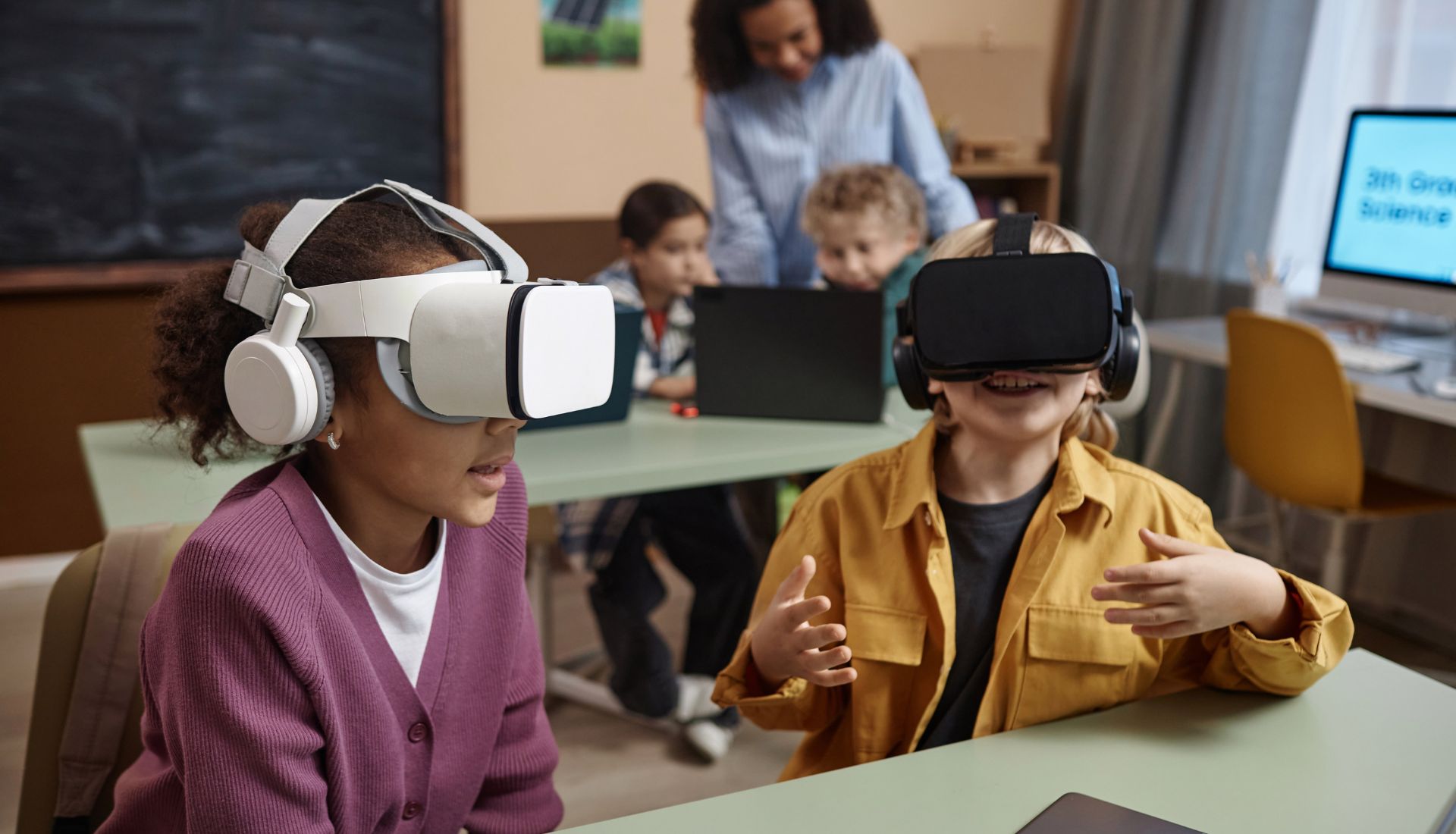
Workforce Training
Virtual reality applications for business have changed how businesses prepare employees. Staff are no longer required to use manuals alone or classroom teaching, but they can now practice within a secure virtual environment. With VR applications for workforce training, companies will be able to simulate not only dealing with hazardous equipment, but also emergency scenarios. This lowers accidents, saves on training, and increases worker confidence.
Educational Uses
VR technology in education VR technology in education enables the student to explore a subject more in-depth. Complex experiments can be simulated in science courses, history can embrace virtual tours of ancient societies, and medical students can conduct surgery in a virtual laboratory. Such virtual reality applications for business and learning generate greater engagement and better knowledge retention.
Impact on Businesses and Institutions
In companies, VR training implies accelerated training and enhanced learning of skills. In the case of schools and universities, it will imply providing more immersive experiences beyond textbooks. Combined, these developments demonstrate why training and education are regarded as one of the most effective sectors in adopting VR at present.
Virtual Reality for Product Design and Prototyping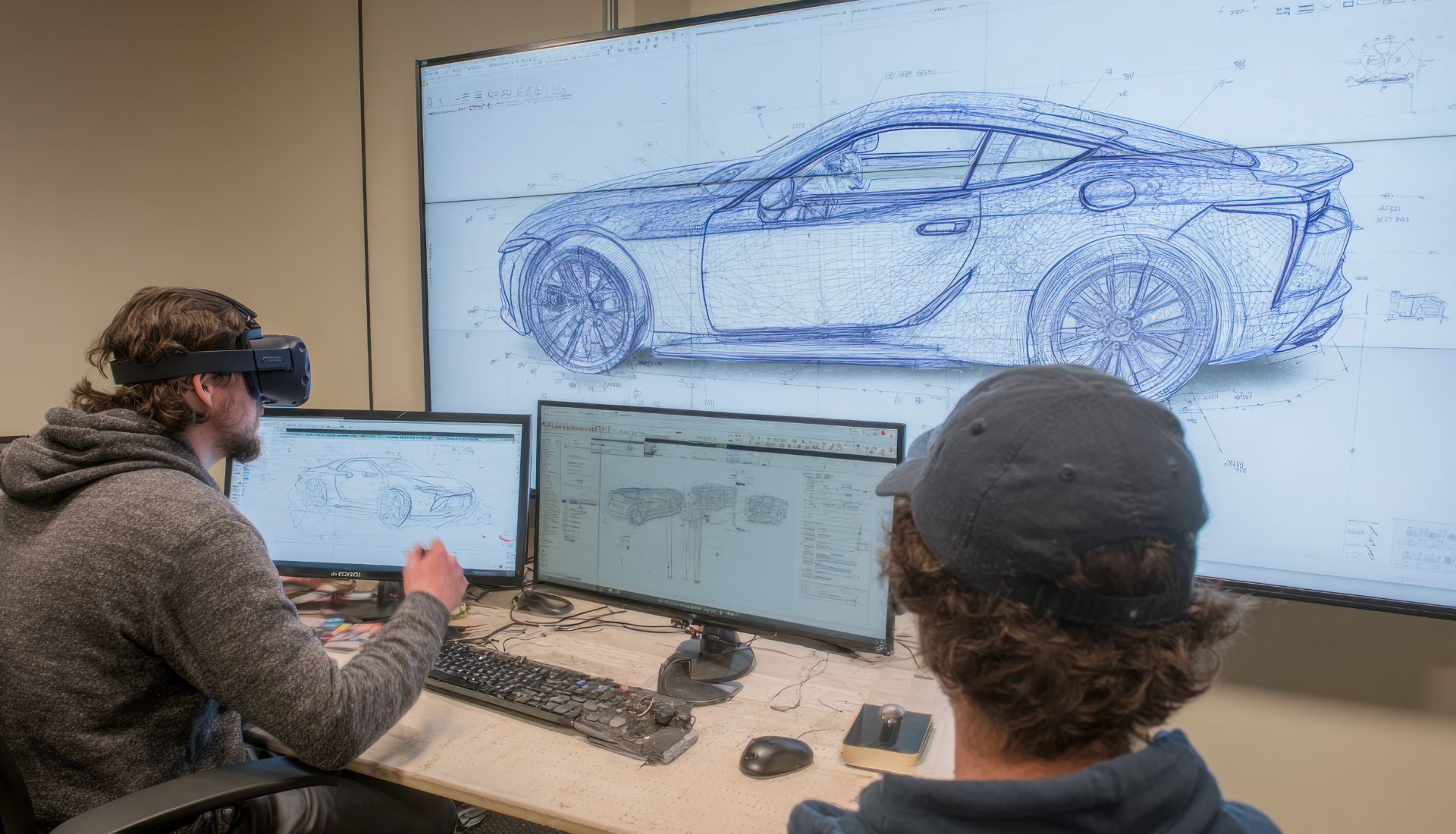
Design and Testing in 3D
Virtual reality applications for business are transforming the process of design because they enable the team to create and communicate with digital prototypes. Designers can walk through and test products virtually instead of waiting weeks for a physical model. By using VR for product design, teams identify defects earlier, adjust designs faster, and cooperate more effectively. This saves time and money and fosters creativity.
Application in Manufacturing
Beyond design, industries use virtual reality for manufacturing to streamline the production process. Companies can test assembly lines virtually to spot weaknesses before they even set up the machines. Companies also use VR to train workers, minimise accidents, and build their confidence before they handle modern equipment. These applications of virtual reality applications for business help manufacturers cut costs, minimize errors, and deliver high-quality products more efficiently.
Why Businesses Rely on VR in Design
In architecture and automotive, companies view VR as an excellent means of reducing development time and remaining competitive. With virtual spaces, companies test products and prepare them for the market much faster. The combination of VR for product design and virtual reality for manufacturing proves that immersive technology is no longer optional; it is now a standard tool for innovation.
Virtual Reality in Customer Experience and Marketing
Better Customer Experience
Companies are now using virtual reality applications for business to give customers more than just a product display. With virtual reality in customer experience, shoppers can explore a product in 3D, walk inside a virtual store, or try services before buying. This makes the buying process more engaging and helps customers feel more confident about their choices.
Marketing with VR
Businesses also use VR marketing applications to create campaigns that people remember. Car brands let customers take a virtual test drive, fashion companies hold online runway shows, and real estate firms invite buyers to explore properties without leaving home. These creative marketing efforts not only attract attention but also improve brand loyalty.
Business Impact
By using virtual reality applications for business in customer experience and marketing, companies stand out from their competitors. Immersive campaigns help build trust, improve sales, and create lasting customer relationships.
Virtual Reality in Real Estate and Retail
Real Estate Transformation
The real estate industry is one of the most feasible virtual reality applications for business. Through virtual reality in real estate, home buyers can have a 3D tour of a house or an apartment without having to physically be present there. This saves the agent and the client time and speeds up property decisions. VR also helps builders to introduce their prospective projects to the public before construction begins, which promotes prior interest and investment.
Retail Innovation
Retailers are also putting money into VR applications in retail to develop virtual stores and interactive product displays. Shoppers will be able to view collections, test furniture within a virtual household or see how clothes will appear before buying. Such immersive shopping experiences enhance the enjoyment of the process and make sales more likely.
Why It Matters
Implementing the use of virtual reality applications for business in the real estate and retail sectors will enable businesses to attract more buyers, enhance decision-making, and be ahead of the competition. It simplifies shopping and the process of purchasing property.
Challenges of Using Virtual Reality in Business
High Costs
While virtual reality applications for business are powerful, the initial investment is still a challenge. Hardware like VR headsets and software subscriptions require money that small companies may find difficult to afford. In 2025, affordable VR tools make it easier for even small organizations to adopt. Real-world examples such as VR’s impact in mental health therapy show that despite the costs, immersive technology can deliver meaningful value.
Adoption Barriers
VR challenges include low skills, weak internet, and resistance to change. Such problems can hamper the advantages of VR without the right training and support.
Virtual Reality Trends to Watch in 2025
AI and VR Together
Artificial intelligence is associated with the future of virtual reality applications for business. With AI and VR, businesses can create smarter simulations, personalized experiences, and adaptive learning modules. Such a mix makes VR more effective and closer to daily use.
Shift to the Cloud
The second large trend is the shift to cloud-based VR platforms. Businesses can now deliver the VR experiences online instead of having to use heavy local systems. This simplifies scaling, reduces the cost of maintenance and is available to companies of any size.
Conclusion
Virtual reality applications for business are no longer far-fetched. Companies apply them in training, design, marketing, collaboration, retail, and real estate to enhance efficiency and improve customer satisfaction.
With the growing future of virtual reality in business and the many VR business growth opportunities available, companies that adopt this technology now will be better prepared to compete in 2025 and beyond.
